
When discussing his work in computer science and musicology, OSU Cascades professor and computational musicologist Patrick Donnelly expressed some concern over the use of generative AI in lieu of actual human performers. “There’s often a lack of humanness in it… maybe [it’s the] perfect beats, perfect pitches… a human experience is more organic, and [the] imperfections are what makes it more human.” [6]
For almost a century, writers have imagined AI characters and machines as being capable individuals, participating in society. Mary Shelly’s Frankenstein explores the consequences of the creation of artificial life, while Karel Čapek’s Rossum’s Universal Robots introduced the term ‘robot’ into pop culture. SciFi writer Isaac Asimov wrote several books popularizing the “Three Laws of Robotics”, a fictional set of ethical rules designed to govern interactions between humans and thinking machines, while also exploring the complications and unintended consequences that come to be from those laws. Later franchises such as Star Trek and Star Wars presented audiences with robots, holograms, and AI personalities that blur the line between human and machine [1]. When first written into existence, these technologies seemed far-off and futuristic, but within just a couple of decades they have started to move from fiction to reality. Virtual Idol groups are performing to sold out crowds [2], AI-generated voices imitate recognizable singers, and generative music systems can now produce songs in just a few seconds using massive datasets of pre-existing works [3]. As the use of artificial intelligence becomes increasingly more frequent within the field of music, questions about authenticity, creativity, ownership, and emotional connection are becoming more relevant.
Artificial Intelligence is an umbrella term used to describe a computer system capable of performing tasks that typically might require human cognition, such as pattern recognition, prediction, and decision making. There are largely two different styles of AI that are widely used; analytical and generative. Analytical AI focuses on examining and interpreting data, and using these interpretations to drive decision making. Generative AI, on the other hand, is designed to create new content based on patterns found within massive training datasets [3].
Much of Patrick Donnelly’s work as a computational musicologist falls into the analytical side of AI. His research uses machine learning tools to analyze how audiences emotionally respond to music. “I’m much more interested in using traditional machine learning to try to understand and compare music” [6] , Donnelly explains. His work has included systems capable of building emotionally responsive playlists by first building out a dataset of songs all marked with emotional metadata, then creating a playlist that eases the listener into the desired emotional state over time using that dataset. This has applications in areas such as music therapy and emotional response research.
Unlike Analytical AI, Generative AI (GenAI) attempts to generate entirely new material by identifying patterns within enormous collections of pre-existing music, text, images and videos, and audio. Over the last decade, advancements in transformer-based machine learning models have significantly improved the ability of these systems to imitate human output. Programs such as OpenAI’s MuseNet and Jukebox were specifically designed to generate musical compositions and stylistically imitate existing artists using large datasets of previously recorded music [3].
As of 2025, there are over 212,000 AI-related companies operating across the globe, and over 62,000 are AI-related startups [9]. As these technologies continue to grow and improve, GenAI is becoming increasingly integrated into the entertainment industry. AI-generated voices can imitate recognizable singers, virtual influencers attract millions of online followers, and music generation systems are capable of producing instrumental tracks and vocal performances within seconds. What once was simply a tool used by creators, is now being positioned as the creator itself, raising larger questions not only about the general ethical and environmental concerns, but also about what is considered authentic artistic expression.
Pitch Perfect, but is that enough?
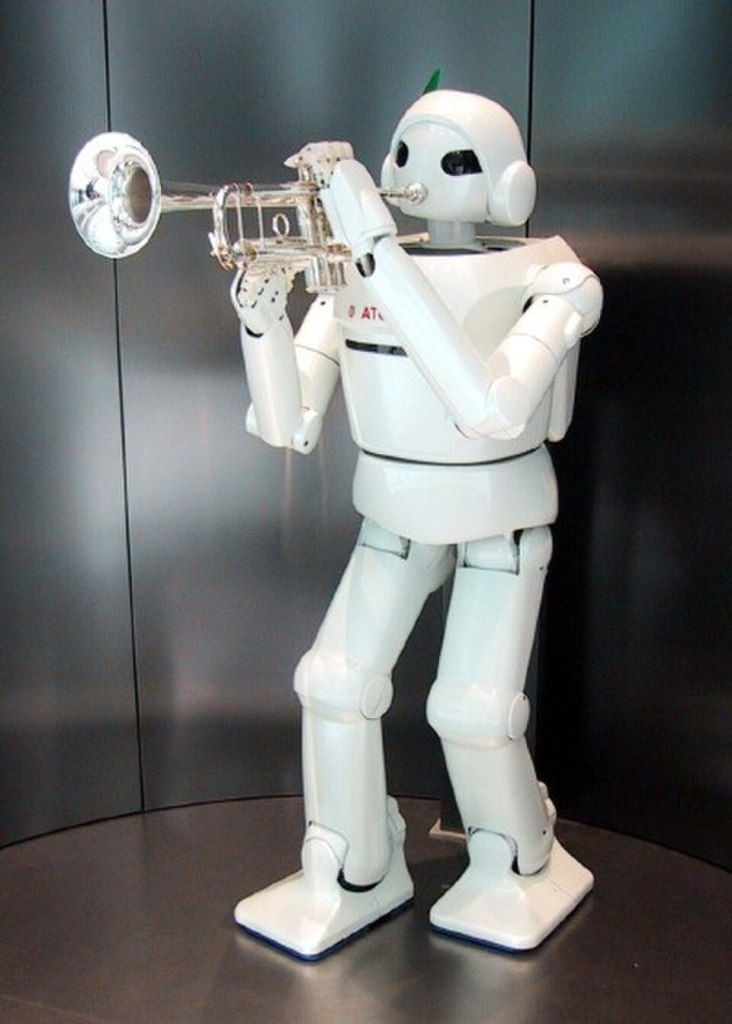
Although GenAI systems have seen rapid improvement in both quality and accessibility, many musicians and listeners can still perceive a difference between artificially generated performances and those created by human artists. One of the most common criticisms of GenAI music is not necessarily that it sounds ‘bad’, but that it feels emotionally hollow or artificial, despite its technical precision [4]. Musical GenAI models may be capable of reproducing convincing melodies, harmonies, and vocal performances, but they are still lacking the emotional nuance and imperfections that come with a human-created performance.
For Donnelly, much of this difference comes from the way human musicians interact with one another during a performance, sometimes in almost imperceivable ways. “You can imagine that you have a jazz band, they’re feeding off of each other, and there is this more holistic thing happening,” he explains. “Some of those micro-timing imperfections are what make it [sound] more human”. While human musicians naturally fluctuate in timing, tempo, and dynamics in response to the musical score and the other musicians in the ensemble, AI-generated performances often combine individually “perfect” elements together in ways that sound sterile and emotionally disconnected, Donnelly argues.
Beyond musical imperfections, there is also the matter of lived experience and intent that GenAI is unable to imbue. Beyond the final sound produced, music is often valued because audiences associate the artistic expression with relatable human emotion, cultural identity, and personal experience. A live performance will reflect years of practice, collaboration, experimentation, and emotional interpretation. While generative systems are capable of reproducing recognizable musical patterns, they do not possess the lived experience or cultural heritage to draw on in the same way that human artists do [5].
Research on audience perception of AI-generated music appears to support this distinction. A 2025 study published in Empirical Studies of the Arts found that listeners consistently rated music less favorably when they believed it had been performed by AI rather than a human musician, even when the musical content itself remained identical [4]. As artificial performers become more common within the entertainment industry, the question is not simply whether AI can imitate human creativity in a convincing manner, but instead is whether audiences will be willing to emotionally connect with a performance that lacks a human presence behind it.
The Cost of Convenience
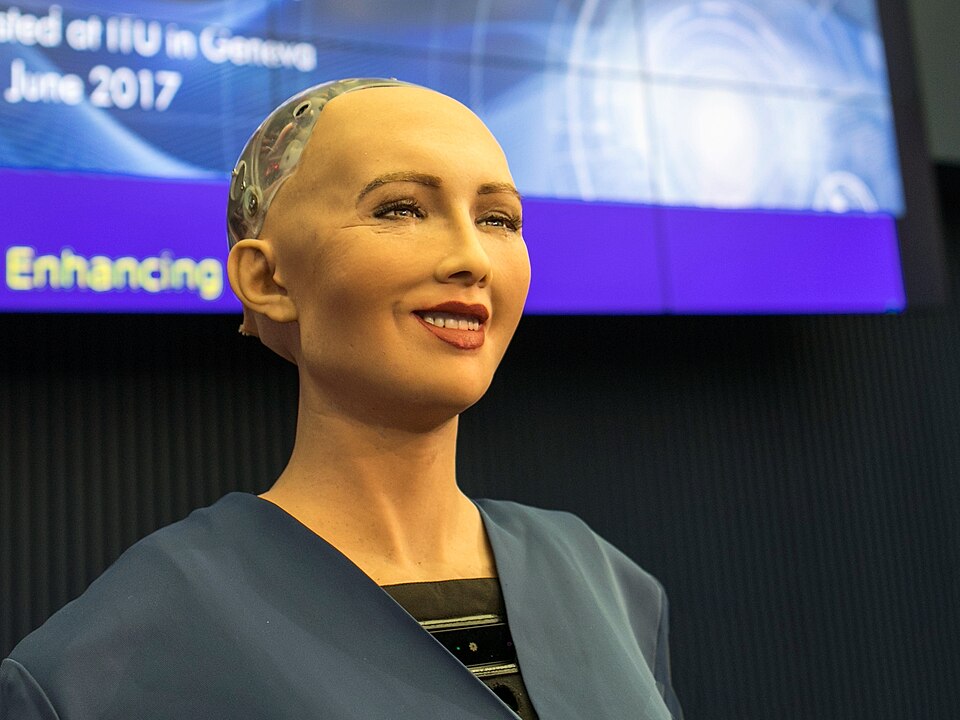
The appeal of GenAI is easy to understand; it’s convenient. Tasks that once required hours of work can now be completed in seconds. Someone can generate a song simply using a short text prompt. They can create album art in a fraction of the time as a traditional artist. For independent creators and hobbyists, these tools can lower the barrier of entry and make creative production more accessible than ever. Yet, as generative AI becomes increasingly integrated into daily life (including entertainment), critics argue that this convenience comes with a high cost.
One of the most significant concerns is regarding the data used to train the models that support a generative AI system. Unlike human artists, who develop their skills through years and years of training and practice, AI models learn by analyzing enormous collections of existing works. Tim Dornis and Sebastian Strober, AI researchers, note that modern music-generation systems rely on vast datasets containing recordings, lyrics, and copyrighted materials, much of which has been collected through legally-dubious webscraping. They argue that this process has created an ongoing legal and ethical challenge regarding whether or not creators should be compensated, consulted, or even considered before their work is used to train these systems [10].
The debate extends beyond simply how the data is procured. Generative AI systems are built to produce new content based on the patterns in the data in which they were trained. Dornis and Stober argue that this distinction is an important one because AI-generated works may compete directly with the human-created works that were used in training in the first place. In music, this raises the issue that artists could find themselves competing with systems that were inadvertently trained by themselves.
The concerns are not limited to copyright alone. Researchers have identified several broader societal implications in how we train models as well, such as a homogenization effect that causes a convergence event to occur in cultural output. What began as a tool to help expand creativity, may begin to influence the styles and ideas that artists engage with, and as such result in their own creations converging towards an epicenter.
The convenience offered by generative AI is undeniable, however the discussion surrounding the technology can no longer be simply about what is possible when using it. Conversations must also be had about the benefiting part of its use, who bears the cost, and how creative industries will balance ease of use and efficiency with the value of traditional human artistic expression.
Augmentation or Replacement?
For Demian Hommel, the most important question surrounding AI is not necessarily about what the technology is capable of doing, but rather what frameworks we should be using as we work with and around it. An Associate Professor of Teaching at Oregon State University, Hommel studies how generative AI is reshaping learning and critical thinking. Through his work as Oregon State’s AI in Teaching and Learning Fellow, he advocates for what he describes as an “Intentional AI” framework. In this, he believes that using AI as a tool to support human thought, rather than to fully replace it, is the correct approach. Although his work focuses mainly on the educational aspects of GenAI, the concerns he raises have become increasingly relevant within the creative arts as artists and audiences alike begin to grapple with AI’s growing role in the production of culture [7].
Hommel argues that much of the public conversation surrounding AI at the moment is driven by a concept he calls “AI Anxiety”. This is a fear that artificial intelligence will inevitably replace human labor, creativity, and expertise. While he acknowledges that these concerns are understandable and are important to maintain in one’s mind, he believes that focusing too heavily on them can obscure a more productive discussion that can be had about how the technology should be integrated into society. Rather than asking whether or not AI should exist, Hommel suggests that educators, policy makers, artists, and the like should focus on establishing clear expectations for when and how it should be used. In his view, the challenge is not preventing people from using AI, but rather ensuring that its use remains intentional and transparent.
For Hommel, the value of artistic creation is not found solely in the final finished product. The experimentation and personal expression that occur during the creative process is equally important. The future of AI in entertainment may therefore depend less on what the technology is capable of creating, and more on what audiences will continue to value when consuming this entertainment.
Looking Forward
As generative AI continues to evolve, the debate surrounding its role in entertainment is not going to disappear; almost certainly it will get louder and more significant in the coming years. The technology has already demonstrated an ability to compose music, generate convincing vocal performances, and create entirely virtual performing entertainers capable of attracting dedicated audiences. At the same time, however, questions regarding authenticity, ownership, and creativity remain unresolved. For some, these systems represent an exciting new chapter in artistic innovation. For others, they raise concerns about the future of humanity’s role in creativity and artistic value.
Perhaps the most likely future lies somewhere in between these two ends. Throughout history, new technologies have consistently reshaped the way art is created, distributed, and consumed. AI may ultimately be just another link in that long chain of tradition. Yet, unlike previous technologies, AI does not merely assist in the creative process, it can participate in it. The decisions made over this next decade will determine how entertainment is going to be produced, but they will also determine where the place of artistic value is in an increasingly automated world. As artists, audiences, educators, and everyone in between continues to define the boundaries of that participation, one question remains at the center of the conversation:In a world where machines can imitate creativity, what does it truly mean to be an artist?
Sources:
[1] Hermann, I. (2023, Feb). Artificial intelligence in fiction: between narratives and metaphors. AI & Society, 38, 319-329. https://doi.org/10.1007/s00146-021-01299-6
[2] Wang, Y. Q. (2022). A Brief Analysis of the Development of Chinese Virtual Idol Industry Empowered by 5G+Motion Capture Technology——Taking the Virtual Idol Group A-SOUL as an Example. Journal of Physics: Conference Series, 2278. doi:10.1088/1742-6596/2278/1/012011
[3] BENGESI, S., EL-SAYED, H., SARKER, K., HOUKPATI, Y., IRUNGU, J., & OLADUNNI, T. (2024). Advancements in Generative AI: A Comprehensive Review of GANs, GPT, Autoencoders, Diffusion Model, and Transformers. IEEE Access, 12, 69812-69837. 10.1109/ACCESS.2024.3397775
[4] Ansani, A., Koehler, F., Giombini, L., Hämäläinen, M., Meng, C., Marini, M., & Saarikallio, S. (2025). AI Performer Bias: Listeners Like Music Less When They Think it was Performed by an AI. Empirical Studies of the Arts, 43(2), 1137-1161. 10.1177/02762374241308807
[5] Wu, S. H., & Holmes, K. J. (2026). Is there a “mind” behind the music? Attributing music to AI can suppress narrative meaning-making. Cognitive Research: Principles and Implications, 11(19). https://doi.org/10.1186/s41235-026-00715-z
[6] Donnelly, Patrick. Personal Interview. 22 May 2026
[7] Hommel, Demian. Personal Interview. 26 May 2026
[8] Bridges, Laurie. Personal Interview. [TBD]
[9] StartUs Insights. (2025). How many AI companies are there? StartUs Insights. https://www.startus-insights.com/innovators-guide/how-many-ai-companies-are-there/
[10] Dornis, T., & STrober, S. (2025).Artificial Intelligence and Copyright in the Music Industry. Journal of Intellectual Property Law & Practice, 20(2), 125-139
 Roberts - MUS 475 Blog